
PIL is the Python Imaging Library which provides the python interpreter with image editing capabilities. The 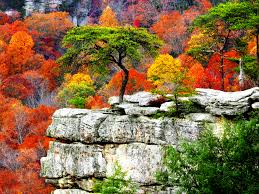
Python3 1==
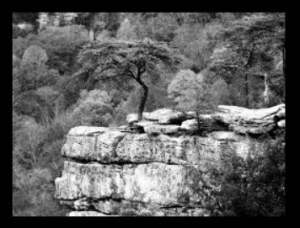
Output1:
 Output2:
 Another Example: Taking another image.
Image Used:
Another Example: Taking another image.
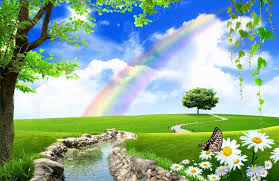
Image Used:
Python3 1==
Image module provides a class with the same name which is used to represent a PIL image. The module also provides a number of factory functions, including functions to load images from files, and to create new images.
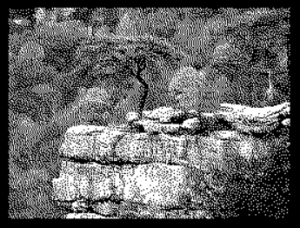
Image.convert() Returns a converted copy of this image. For the “P” mode, this method translates pixels through the palette. If mode is omitted, a mode is chosen so that all information in the image and the palette can be represented without a palette.
Syntax: Image.convert(mode=None, matrix=None, dither=None, palette=0, colors=256) Parameters: mode – The requested mode. See: Modes. matrix – An optional conversion matrix. If given, this should be 4- or 12-tuple containing floating point values. dither – Dithering method, used when converting from mode “RGB” to “P” or from “RGB” or “L” to “1”. Available methods are NONE or FLOYDSTEINBERG (default). palette – Palette to use when converting from mode “RGB” to “P”. Available palettes are WEB or ADAPTIVE. colors – Number of colors to use for the ADAPTIVE palette. Defaults to 256. Returns: An Image object.Image Used:
# importing image class from PIL package
from PIL import Image

# creating image object
img = Image.open(r"C:\Users\System-Pc\Desktop\scene3.jpg")

# using convert method for img1
img1 = img.convert("L")
img1.show()

# using convert method for img2
 img2 = img.convert("1")
img2.show()
# importing image class from PIL package
from PIL import Image

# creating image object
img = Image.open(r"C:\Users\System-Pc\Desktop\scene4.jpg")

# using convert method for img1
img1 = img.convert("L")
img1.show()

# using convert method for img2
 img2 = img.convert("1")
img2.show()
Output1:
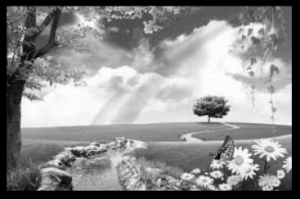 Output2:
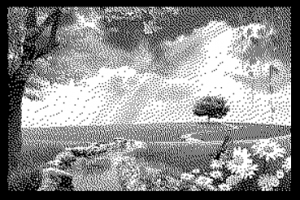
Output2: